
Guitar Lessons for Beginners: When Is the Right Age to Start?
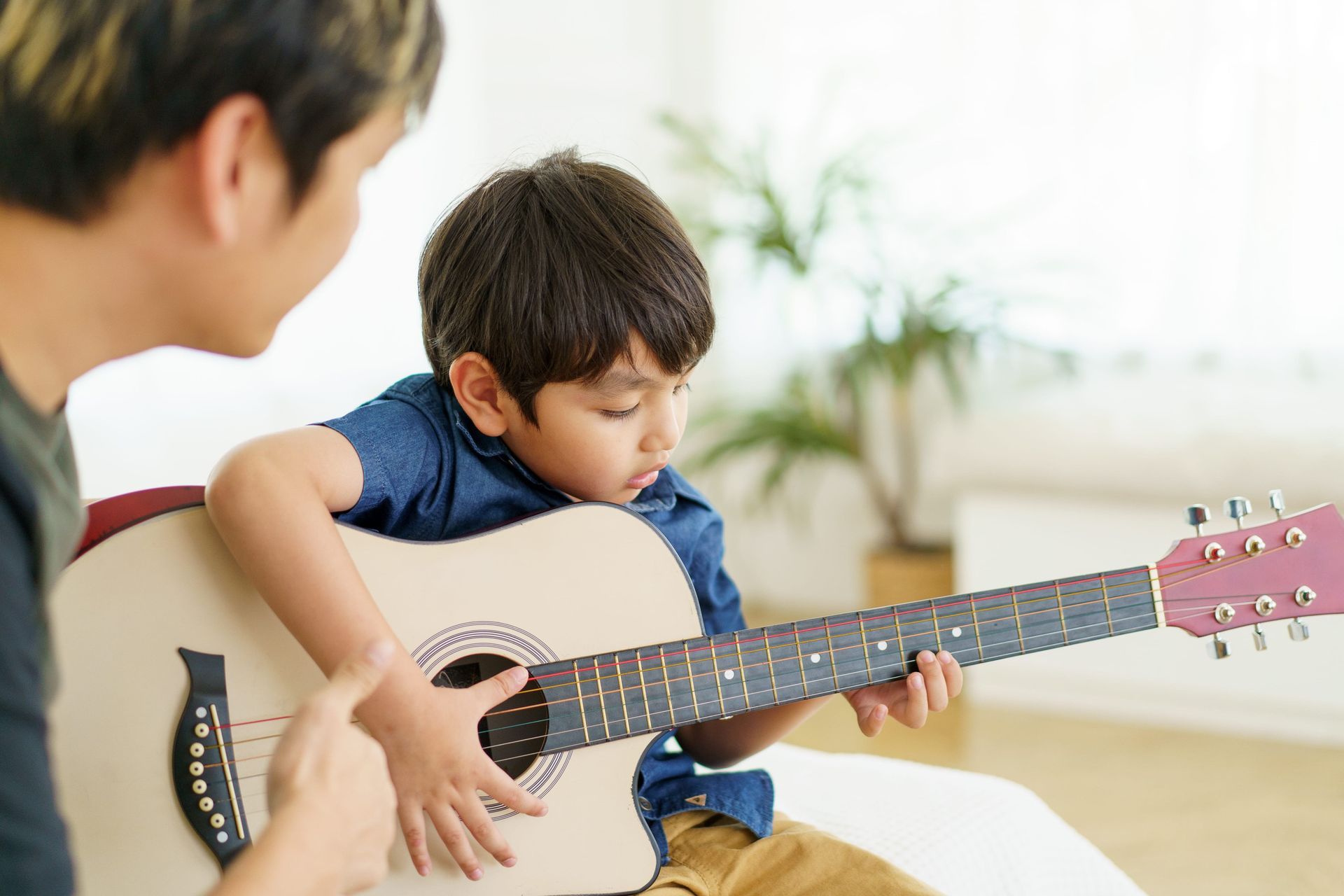
Understanding When Children Are Ready to Learn Guitar
Many parents ask the same question: when is the right age for a child to start guitar lessons?
The truth is, there is no one-size-fits-all answer. Every child develops at their own pace, and readiness depends more on their interest, coordination, and ability to focus than their exact age.
However, understanding the general guidelines can help you make the best decision for your child.
The Ideal Starting Age
Most children are ready to begin learning guitar between the ages of 6 and 8.
At this stage, they typically have:
- Enough hand strength to press the strings.
- Basic coordination between both hands.
- The ability to follow instructions.
- A growing attention span.
Starting earlier is possible, but younger children may need more playful, flexible lessons rather than structured learning.
Why Starting at the Right Time Matters
If a child starts too early, they may struggle physically or lose interest quickly. If they start when they are ready, they are more likely to enjoy the process and stay motivated.
Music should feel exciting, not frustrating. When the timing is right, children are more open to learning and exploring new skills.
Signs Your Child Is Ready for Guitar Lessons
Instead of focusing only on age, look for signs of readiness.
A child may be ready if they:
- Show interest in music or instruments.
- Enjoy listening to or copying songs.
- Can focus on an activity for at least 20–30 minutes.
- Are willing to practise regularly.
- Can follow simple instructions.
Interest is one of the most important factors. A child who wants to learn will progress much faster than one who feels forced.
The Benefits of Learning Guitar
Many parents choose music lessons because they support important areas of development beyond creativity.
Learning guitar helps children develop:
Concentration and focus: Following rhythm and timing requires attention.
Memory skills: Remembering chords and sequences.
Coordination: Using both hands in different ways.
Confidence: Performing and mastering new skills.
Discipline: Practising regularly and improving over time.
These benefits extend beyond music and support success in many areas of life.
Acoustic vs Electric Guitar for Beginners
Parents often wonder which type of guitar is best for beginners.
An acoustic guitar is usually recommended because:
- It is simpler to start with.
- It does not require additional equipment.
- It helps build finger strength.
An electric guitar can still be a good option, especially if your child prefers that sound. The most important thing is choosing an instrument that keeps them interested and motivated.
The Importance of the Right Learning Environment
A child’s experience with music depends heavily on how they are taught.
Great teachers do more than just deliver lessons. They guide, support, and inspire children as they learn. They understand that every child learns and develops at their own pace, and they adjust their teaching approach to suit each child’s individual needs.
A positive learning environment helps children feel encouraged and supported, which keeps them motivated and engaged.
Group vs One-on-One Lessons
Both options can be effective, depending on your child’s personality.
Group lessons:
- Encourage social interaction.
- Make learning more fun and engaging.
- Help children feel less pressure.
One-on-one lessons:
- Provide personalised attention.
- Allow lessons to move at the child’s pace.
- Focus on specific strengths and challenges.
Some children benefit from a combination of both.
How to Support Your Child at Home
Parental support plays an important role in a child’s progress because it provides a stable and encouraging environment where the child feels safe, supported, and confident to learn, try, and improve. When children know they are supported at home, they are more likely to stay motivated, build confidence, and keep trying even when something feels challenging.
You can support your child by creating a simple, consistent practice routine so learning becomes part of their daily habits. Focus on effort instead of perfection so your child understands that improvement takes time and that making mistakes is a normal part of learning. Celebrate small wins, such as mastering a new chord or completing a short exercise, as this builds confidence and keeps them motivated. It is also important to keep practice sessions calm and positive, as too much pressure can lead to frustration and resistance.
Even just 10–15 minutes of focused practice each day can make a meaningful difference. Over time, this consistency helps children strengthen their skills, improve their understanding, and develop a more positive attitude towards learning.
Keeping Children Motivated
Motivation can change over time, especially when learning something new.
To keep your child engaged:
- Let them choose songs they enjoy.
- Set small, achievable goals.
- Celebrate progress, not just results.
- Avoid putting too much pressure on performance.
When children enjoy the process, they are more likely to continue learning.
Helping Your Child Grow Through Music
Learning guitar is about more than just playing an instrument. It helps children develop confidence, discipline, and a sense of achievement.
When children are supported in the right way, they begin to see what they are capable of. This mindset carries into other areas of their lives, including school and personal development.
The right age to start guitar lessons depends on your child’s readiness, interest, and development. With the right support, guidance, and environment, children can build valuable skills while enjoying the learning process.
If your child shows an interest in music, it may be the perfect time to introduce them to guitar lessons and start their journey.